
Bonnet Solar vs Roof-Mounted Solar: Which Is Best for Your 4x4?
When it comes to outfitting your 4x4 for off-grid adventures, the choice between bonnet-mounted solar panels and traditional roof-mounted systems can significantly impact your experience. Each option has its unique advantages and drawbacks, making it essential to understand how they align with your specific needs and lifestyle. In this article, we will explore the key differences, benefits, and considerations of both solar panel types, helping you make an informed decision for your next expedition.
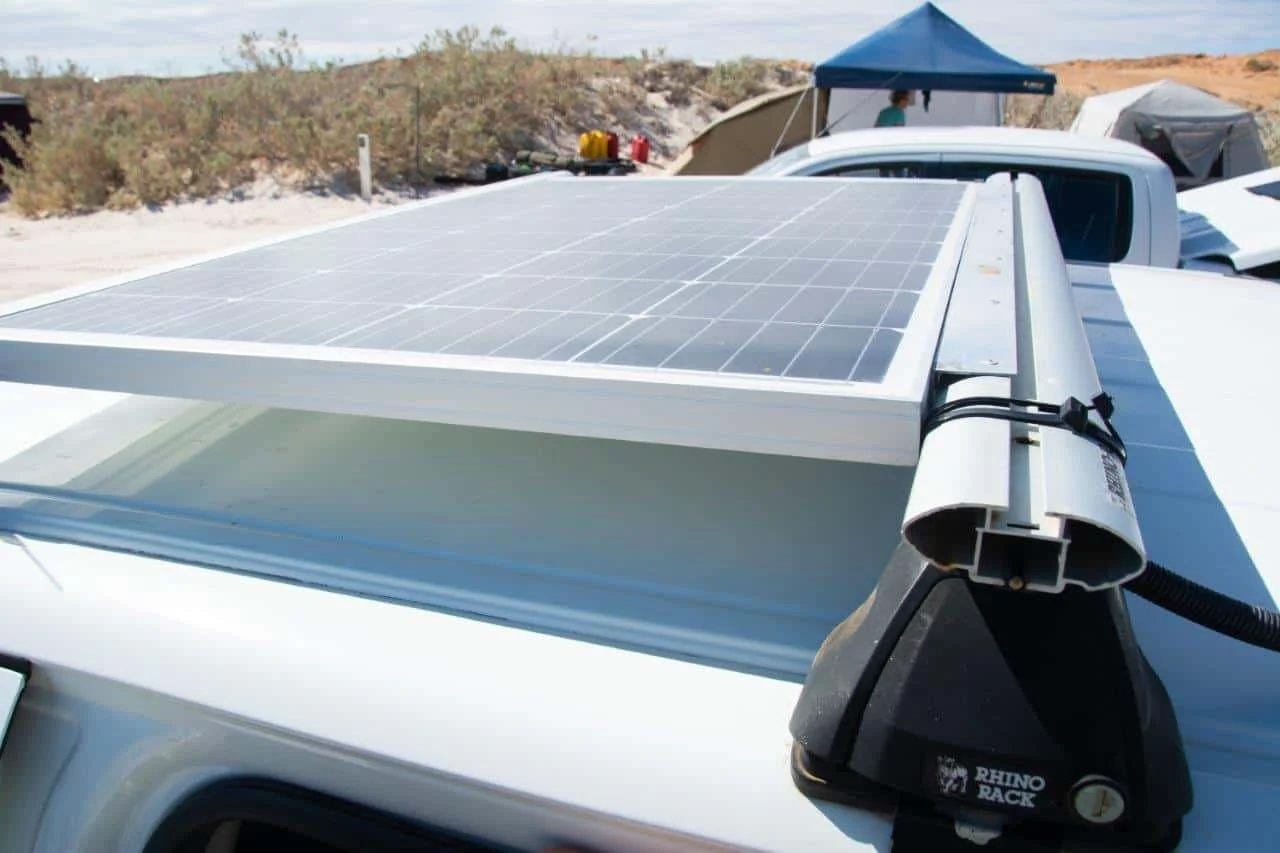
Image Source: 4WDing Australia
Understanding the Basics of Solar Power for 4x4s
What Are Bonnet-Mounted Solar Panels?
Bonnet-mounted solar panels are compact solar solutions designed to be installed directly on the hood of your vehicle. These panels are typically lightweight and streamlined, allowing for easy integration without compromising the vehicle's aesthetics. They harness sunlight to charge your vehicle's battery, providing a reliable power source for essential devices during your off-road adventures.
What Are Roof-Mounted Solar Panels?
In contrast, roof-mounted solar panels are larger systems installed on the roof of your vehicle, often requiring a roof rack or additional hardware for secure mounting. These panels can generate more power due to their larger surface area, making them suitable for those who need to run multiple devices or larger appliances while off the grid.
Key Differences Between Bonnet and Roof-Mounted Solar Panels
Space and Aesthetics
One of the most significant differences between bonnet and roof-mounted solar panels is the space they occupy. Bonnet-mounted panels utilise otherwise unused space on the vehicle's hood, maintaining a sleek appearance without adding bulk. Roof-mounted panels, while potentially more powerful, can alter the vehicle's profile and may require additional modifications.
Power Generation Capacity
Roof-mounted solar panels generally offer higher power generation capacity due to their larger size. This makes them ideal for users with extensive power needs, such as those using fridges, lights, and other high-draw devices. Bonnet-mounted panels, while efficient, may not provide enough power for heavy usage, making them better suited for lighter applications.
Installation and Maintenance
Bonnet-mounted solar panels are often easier to install, requiring minimal tools and expertise. They typically come with all necessary components for a straightforward setup. Roof-mounted systems, on the other hand, may involve more complex installation processes, including securing brackets and ensuring proper alignment.
Advantages of Bonnet-Mounted Solar Panels
Seamless Integration
Bonnet-mounted solar panels are designed to fit snugly on your vehicle's hood, providing a clean and integrated look. This design not only enhances the vehicle's aesthetics but also reduces the risk of wind resistance and noise that can occur with roof-mounted systems.
Reduced Glare
Many bonnet-mounted panels feature a light-absorbing surface that helps reduce glare from the hood. This can enhance driving comfort, especially during bright daylight conditions, making your off-road experience more enjoyable.
Emergency Power Source
In ideal conditions, bonnet-mounted solar panels can generate enough power to jump-start a fully discharged battery within approximately 30 minutes of direct sunlight. This feature can be a lifesaver during remote adventures where access to assistance is limited.

Advantages of Roof-Mounted Solar Panels
Higher Power Output
The primary advantage of roof-mounted solar panels is their ability to generate more power due to their larger surface area. This makes them suitable for users who require significant energy for multiple devices or appliances, ensuring you have enough power for all your needs.
Versatility
Roof-mounted systems can be installed in various configurations, allowing for flexibility in power generation. Users can choose from different panel sizes and orientations to optimise sunlight exposure, making them adaptable to various environments.
Enhanced Battery Life
By providing a consistent charge to your vehicle's battery, roof-mounted solar panels can help prolong battery life. This is particularly beneficial for vehicles that are not used frequently, as it prevents deep discharge cycles that can lead to premature battery failure.
Considerations for Choosing the Right Solar Solution
Power Requirements
Before deciding between bonnet and roof-mounted solar panels, assess your power requirements. If you only need to charge small devices or maintain your battery, bonnet-mounted panels may suffice. However, if you plan to run larger appliances, a roof-mounted system may be necessary.
Vehicle Compatibility
Consider your vehicle's design and compatibility with each solar panel type. Some vehicles may have limitations regarding roof space or structural integrity, making bonnet-mounted panels a more viable option. Ensure that the chosen system aligns with your vehicle's specifications.
Budget
Cost is always a factor when making upgrades to your vehicle. Bonnet-mounted solar panels tend to be more affordable, both in terms of initial investment and installation costs. Roof-mounted systems, while potentially offering greater power, may require a larger budget for both the panels and installation.
Real-World Experiences: User Testimonials
Bonnet-Mounted Solar Panel Success Stories
Many users have reported positive experiences with bonnet-mounted solar panels. For instance, David, who installed a 90W panel on his Toyota Tacoma, shared that it provided ample power during a two-week camping trip, keeping his battery charged and devices running smoothly.
Roof-Mounted Solar Panel Success Stories
Conversely, Bryan, who opted for a roof-mounted system on his Toyota FJ Cruiser, noted that after nearly four years, his setup continues to perform exceptionally well, efficiently charging his lithium battery for various appliances.
Conclusion: Making the Right Choice for Your 4x4
Ultimately, the decision between bonnet-mounted and roof-mounted solar panels hinges on your specific needs, vehicle compatibility, and budget. Bonnet-mounted panels offer a sleek, space-saving solution ideal for lighter power requirements, while roof-mounted systems provide higher output for those with extensive energy needs. By carefully considering these factors, you can select the solar solution that best enhances your off-road adventures, ensuring you remain powered up and ready for anything the wild throws your way.
In the end, whether you choose the compact efficiency of bonnet-mounted panels or the robust power of roof-mounted systems, both options can significantly enhance your 4x4 experience, allowing you to embrace the freedom of off-grid living.
